Fashion Designing & Boutique Management Career Scope In India: Growth, Opportunities, And NCVTE Certification
Introduction
In today's fast-paced world, fashion is more than just clothing; it is a dynamic, multi-billion dollar industry that combines artistic expression with robust business opportunities. In India, the fashion and textile sector is one of the largest and fastest-growing markets, deeply rooted in rich cultural heritage yet rapidly adopting modern global trends. As consumer awareness regarding styling, fabric quality, and personalized fits increases, the demand for qualified fashion professionals has never been higher.
This paradigm shift has transformed the Fashion Designing & Boutique Management course into one of the most sought-after vocational programs for the creative youth of India. Whether your dream is to launch your own designer label, manage a successful boutique, or style celebrities, this comprehensive field offers a perfect blend of creativity and commercial acumen to build a lucrative career.
Booming Growth of the Indian Fashion Industry and Market Scope
The Indian fashion market is experiencing unprecedented growth, fueled by digitalization, the expansion of e-commerce, and the influence of social media. Fashion is no longer limited to metropolitan cities; tier-2 and tier-3 cities are emerging as significant hubs for branded wear, designer outfits, and customized tailoring.
Here is a look at the industry's growth drivers:
-
The Revival of Handlooms and Ethnic Wear: India's traditional textiles, including Banarasi silk, Khadi, Chanderi, and Chikankari, have a massive global appeal. Designers who can innovatively blend these traditional crafts with modern silhouettes are in high demand.
-
The Surge in Boutique Culture: Alongside big retail chains, there is a significant rise in the number of independent boutiques and designer studios. Consumers today seek uniqueness, exclusivity, and custom-fitted garments, creating a fertile ground for boutique owners.
-
E-Commerce and Social Media Penetration: Platforms like Instagram and Facebook, combined with e-commerce marketplaces, have revolutionized the industry. Aspiring designers can now launch their own online fashion brands or virtual boutiques with relatively lower initial investment, reaching a national or even global audience directly.
Key Benefits of a Fashion Designing & Boutique Management Course
A professional vocational course in this field equips students with the necessary skills and mindset to succeed. Here are the primary benefits:
-
Self-Employment and Boutique Startups: This is perhaps the biggest draw. Instead of seeking employment, graduates can become entrepreneurs, launching their own local or online boutiques, design studios, or personal styling ventures.
-
Creative Freedom and Innovation: The course is ideal for individuals who wish to convert their imagination, artistic vision, sketching abilities, and passion for fabrics into professional success.
-
Diverse Career Pathways: A specialization in Fashion Designing & Boutique Management opens doors to multiple roles beyond just designing, including Fashion Stylist, Visual Merchandiser, Apparel Production Manager, Fashion Buyer, or Costume Designer.
-
High Earning Potential: While starting salaries vary, once a designer or a boutique brand establishes its reputation in the market, particularly in the bridal couture or ethnic wear segments, the earning potential is limitless.
Career Scope in India: Where Can You Work?
Upon successful completion of your training and certification, numerous employment and business avenues become available:
-
Boutique Ownership & Entrepreneurship: Establishing and managing one's own boutique is the most direct and often the most profitable career path for graduates.
-
Export Houses & Garment Industries: India is a major global hub for textile and apparel exports. Large export companies require skilled professionals in designing, pattern making, sampling, and quality control.
-
Retail Brands & Fashion Outlets: Major national and international retail chains employ fashion graduates in merchandising, store display (visual merchandising), and customer styling roles.
-
Styling & Freelancing: Opportunities are abundant in the media and entertainment industry, including fashion shows, films, television serials, and advertising, as well as in personal styling for private clients.
Why Quality Training and Authorized Certification Matter
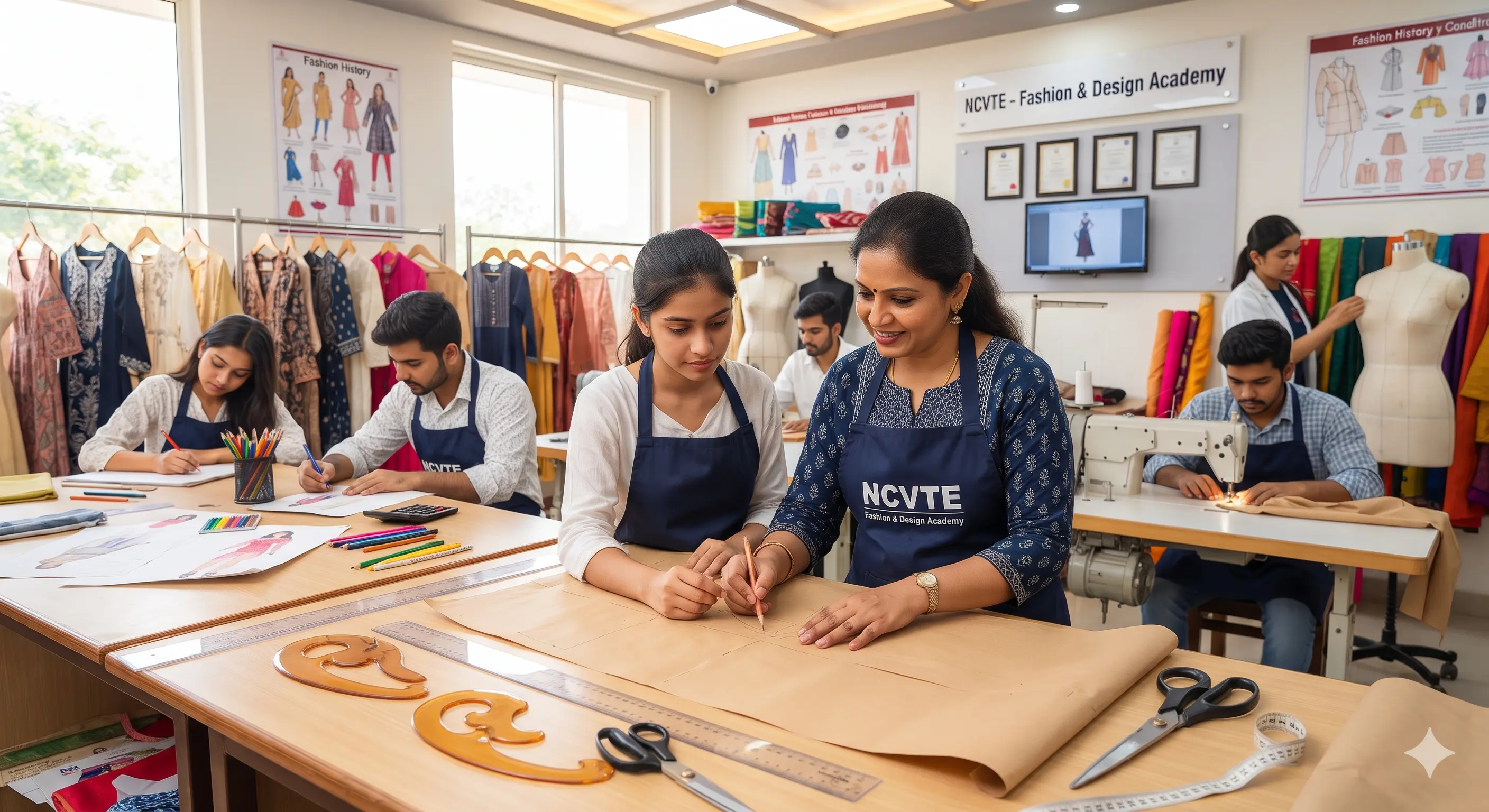
In any creative field, talent alone is not sufficient. To turn your passion into a sustainable profession, you must acquire technical expertise in areas such as pattern making, advanced stitching techniques, fabric selection and sourcing, fashion illustration, CAD (Computer-Aided Designing) software, and inventory management.
Gaining this education from a recognized and trusted autonomous educational body is crucial, as it ensures you receive an industry-aligned curriculum and practical exposure that meets current market standards.
For accredited and transparent vocational training, students and aspiring entrepreneurs are encouraged to explore programs available through ncvte.org. NCVTE provides skill-based learning and verified certification that adds immense value and credibility to a student's professional profile, laying a strong foundation for a successful career.
Conclusion
Fashion Designing & Boutique Management is not just a course; it is an art form that empowers you to turn your creative vision into a successful business venture. If you are passionate about fabrics, trends, and style, and dream of becoming a successful entrepreneur or a professional designer in this vibrant industry, this is the perfect time to take your first step.
To learn more about authorized vocational programs that can give your career the right direction, visit the official website: ncvte.org.