
How To Become A Certified Fire Safety Technician: Eligibility, Courses & Training
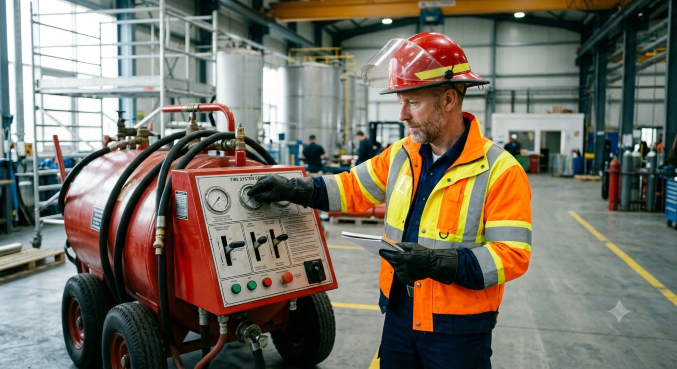
In today’s fast-paced industrial and corporate world, workplace safety has become a top priority. Whether it is manufacturing factories, high-rise residential buildings, or commercial warehouses, the demand for trained professionals to prevent accidents and handle emergency situations is higher than ever.
If you are looking to build a secure career that offers both job stability and the opportunity to save lives, becoming a Fire Safety Technician is an excellent choice. Let’s explore how you can become a certified professional, the eligibility requirements, and the training process involved.
Who is a Fire Safety Technician?
A Fire Safety Technician is a trained professional responsible for identifying fire hazards in buildings, factories, and industrial plants. They install and maintain safety equipment (such as fire extinguishers, sprinkler systems, and fire alarms) and ensure that emergency safety protocols are strictly followed to protect lives and property.
Eligibility Criteria: Who Can Enroll?
Enrolling in a Fire Safety course is straightforward. The general eligibility requirements include:
-
Educational Qualification: Candidates should have completed at least 10th (High School) or 12th (Intermediate) grade from a recognized board. Some advanced diplomas may require ITI or graduation.
-
Physical & Medical Fitness: Since this is an active, field-oriented career, candidates must meet basic physical and medical fitness standards.
-
Age Limit: Generally, youth between 18 and 35 years of age are eligible to apply.
Courses & Training Process
To become a skilled technician, proper training and a recognized certification are essential. Autonomous educational institutions like NCVTE (Nobel Centre for Vocational & Technology Education) offer industry-aligned vocational programs in this field:
-
Basic Fire Safety Certificate Course: A short-term introductory course covering fire prevention fundamentals and basic equipment handling.
-
Diploma in Fire & Safety Management: A comprehensive program covering industrial safety regulations, disaster management, and risk assessment.
-
Practical Training: Hands-on experience involving live fire drills, safety equipment operation, and emergency response simulations alongside theoretical learning.
Career Scope & Job Opportunities
Certified Fire Safety Technicians enjoy a wide range of job opportunities across both government and private sectors:
-
Manufacturing & Industrial Plants: Factories require dedicated safety officers and technicians to comply with labor laws.
-
Construction & Real Estate: High-rise building projects must adhere to strict fire safety compliances, requiring continuous oversight.
-
Oil, Gas & Chemical Refineries: These high-risk sectors heavily rely on expert safety technicians to mitigate hazardous situations.
-
Malls, Hotels & Hospitals: Public spaces require specialized safety staff to protect visitors and occupants.
Salaries in this sector are competitive right from the start, with immense growth potential as you gain field experience.
Conclusion
Fire safety is more than just a job; it is a vital responsibility that saves countless lives. If you have a passion for safety management and want to build a rewarding career, obtaining the right certification is your stepping stone to success.
Are you ready to start your journey as a professional? Connect with an authorized NCVTE training center today and take the first step toward a secure future!